Access to Antarctica is strictly regulated by the Antarctic Treaty of 1959 and its environmental protocols, limiting the number of visitors and the types of activities allowed. Commercial departures are organized over a short period between November and March, during which navigation remains possible.
Cruise companies must obtain specific accreditation, adhering to strict rules for landings and waste management. The available options vary according to the size of the ships, the level of comfort on board, and the specialization of the excursions offered.
Why does Antarctica fascinate travelers in search of adventure?
Antarctica captivates with its paradox: an immense continent, frozen by ice, with no permanent inhabitants but populated by wildlife of rare intensity. Here, glaciers shape extraordinary landscapes, icebergs drift like ephemeral fortresses, and the ice shelf extends its territory as far as the eye can see. The environment makes no concessions: the biting wind, the cold that seeps in, and the necessity to cope with extreme conditions remind us that every expedition is a challenge, both physical and logistical.
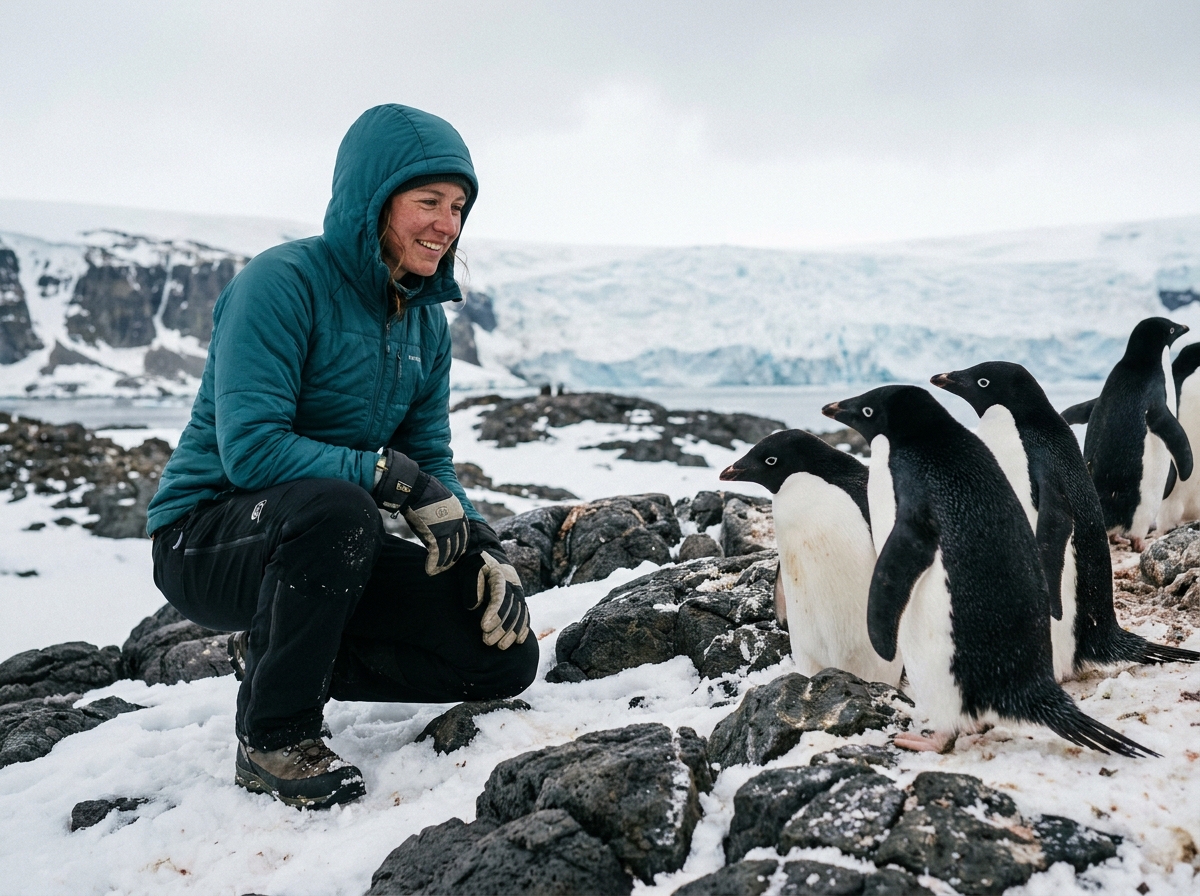
Traveling to Antarctica means accepting a different rhythm, a different logic. One does not tread this continent as one visits a city; it is necessary to respect its fragilities and adhere to the rigor of responsible tourism. The rules are strict, but for those who go there, every encounter remains etched in memory: thousands of penguins, peaceful seals on the ice floes, whales breaking the surface in absolute calm. Silence prevails, patience becomes an ally, and observation takes precedence over agitation.
The Ponant cruise appeals to enthusiasts of exceptional experiences, promising to approach the polar circle, to set foot where human presence is minimal, and to truly feel isolation and grandeur. The motivations are multiple: a desire to confront the unknown, an interest in science, a wish to see with one’s own eyes a vulnerable ecosystem. This extreme territory forges an experience that often transforms one’s perception of the world. Antarctica represents excess combined with responsibility, a journey that transforms.
Cruises in Antarctica: an overview of itineraries and experiences to be had
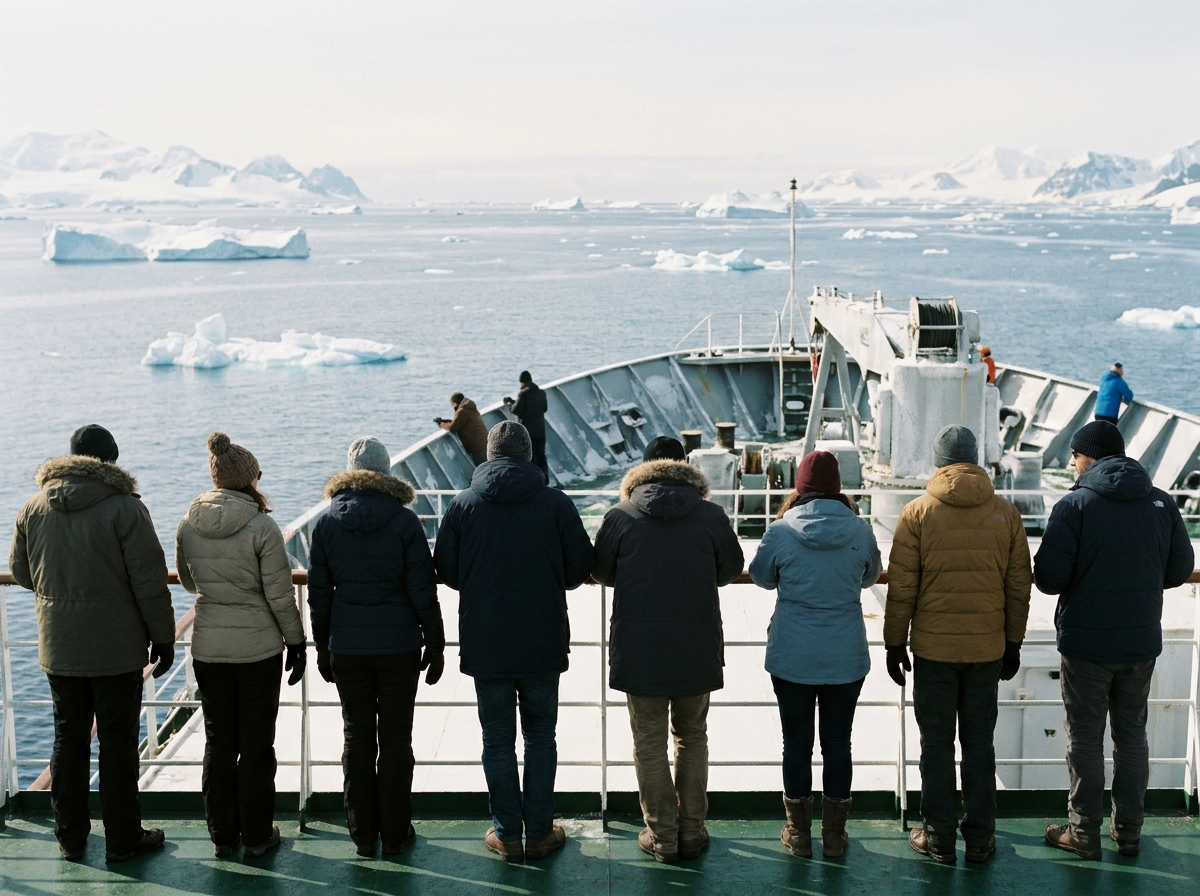
The expedition cruise stands out as the preferred way to explore Antarctica. The adventure begins in Ushuaia, then the ship faces the Drake Passage, known for its rough seas. Heading towards the Antarctic Peninsula, sometimes as far as the South Shetland Islands or the Falkland Islands, depending on the route. On board, the crew, naturalist guides, and the doctor ensure safety and life on board. The choice of cabin also shapes the experience:
- basic bunk beds for those who prefer simplicity,
- up to deluxe double cabins with a view for those wanting more space and light.
Each deck offers its share of panoramas over the white expanses and majestic icebergs.
The days revolve around landings. Thanks to inflatable boats, we land on frozen beaches or near animal colonies, sometimes just a few meters from penguins or seals. For the more adventurous, some itineraries offer a hike on the ice or even a polar swim. Kayaking allows for silent gliding between ice blocks, while photographers wait for the right light and wildlife, away from the crowds.
Friendliness is present in the panoramic lounges and common areas. Hearty meals punctuate the days, and nothing beats a hot coffee facing the spectacle of the Southern Ocean. The guides share their passion through their stories and lectures, making each cruise unique, tailored to the singularity of the white continent.
Essential tips for calmly preparing your polar expedition
Preparing for an expedition to Antarctica requires method and anticipation. The choice of timing makes all the difference: from October to March, the southern light reveals the ice shelf and temperatures become bearable. It is also necessary to determine the type of expedition, the group size, and the level of comfort suited to one’s expectations. Some opt for the simplicity of a small capacity, while others prefer the comfort of a large ship.
The budget question should not be taken lightly. Prices vary according to duration, cabin category, included activities, and season. Before booking, compare quotes in EUR or USD and do not forget additional expenses:
- international and domestic flights,
- hotel nights in Buenos Aires or Ushuaia,
- transfers,
- and equipment specific to the polar climate.
Also consider taking out solid travel insurance that covers cancellation, repatriation, and risks related to the region.
Safety remains the guiding principle. Check if a visa is required based on your nationality, and inform yourself about current health obligations. Adhering to the rules set by responsible tourism is essential: minimize your footprint, strictly follow the guides’ instructions, and prioritize operators who work for the preservation of wildlife and polar landscapes.
Finally, expect the unexpected. The whims of the climate sometimes lead to delays, changes in itinerary, or unforeseen stops. Patience and flexibility quickly become the best travel companions. In Antarctica, nature decides the tempo, and perhaps that is where the magic of travel lies: accepting to control nothing and allowing oneself to be surprised by the unknown.