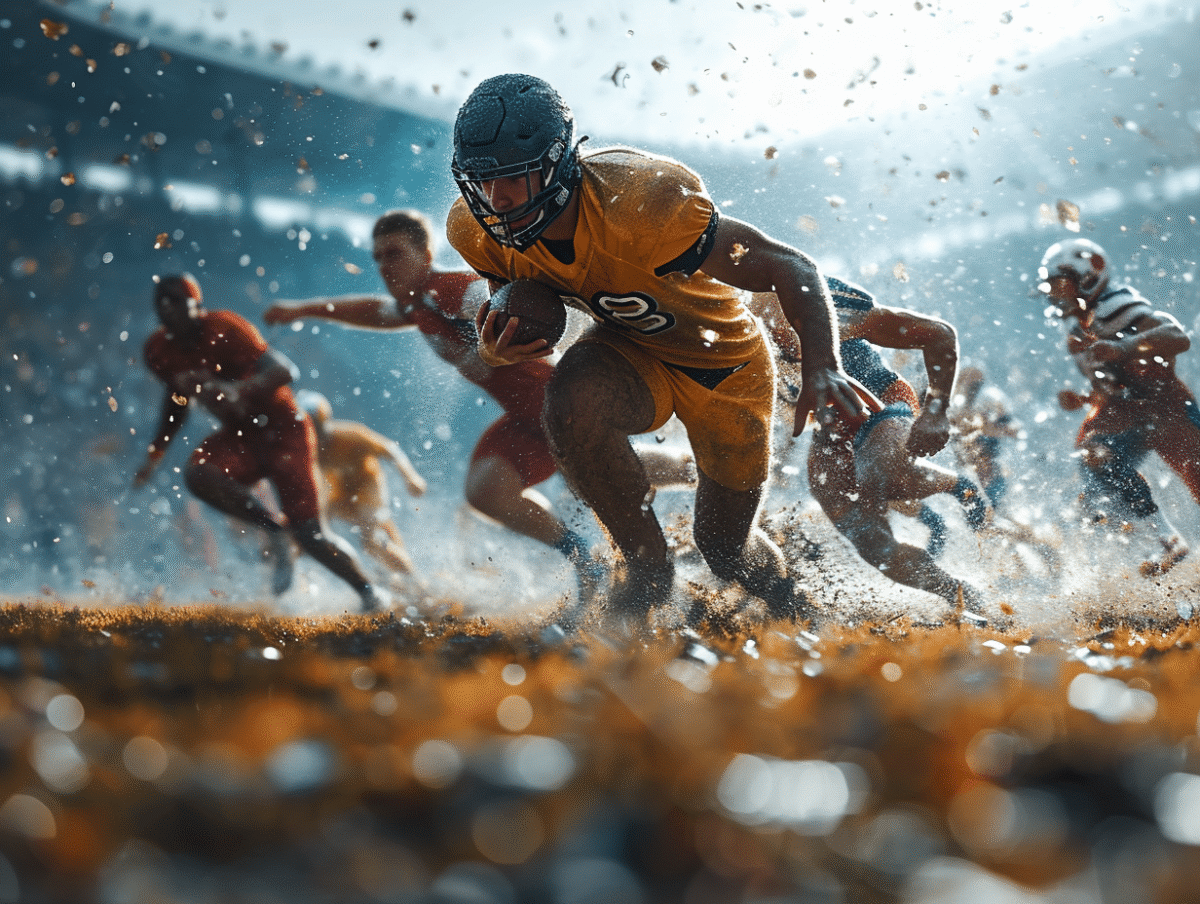
Team sports and individual sports offer distinct experiences that shape athletes’ skills and personalities in different ways. On one hand, team sports like football or basketball emphasize collaboration, communication, and team spirit, teaching individuals to work towards a common goal. On the other hand, individual sports such as tennis or athletics cultivate autonomy, focus, and perseverance, pushing the athlete to surpass themselves without the direct support of a team. Each sports discipline has its own advantages and influences personal development in a unique way.
Comparison of dynamics: team sports vs individual sports
Individual sports, such as swimming or cycling, highlight autonomy and the ability to self-motivate. Personal success is particularly valued here, providing athletes with a direct measure of their performance. Practitioners must fully assume responsibility for their actions, and those who feel comfortable in the spotlight may find it a favored ground. These sports also foster intrinsic motivation and allow for a personal pace of progression.
In contrast, team sports, from basketball to football, require teamwork and the ability to accept collective decisions. Social skills and the ability to interact are essential, strengthening friendship and camaraderie. These disciplines develop leadership, mutual respect, and a strong sense of belonging. They help build self-esteem and acquire self-discipline, patience, and perseverance, while teaching resilience and emotional management related to victory or defeat.
Va Y Avoir Du Sport when addressing the question of choosing between these two worlds: individual or collective. The selection criteria vary according to personal goals, physical condition, and each person’s specific skill. Tolerance to pressure and personal preferences also play a decisive role, not to mention material constraints and the opportunities offered by the environment. Each individual, each child, with their own wants and character traits, will orient themselves differently, influenced by these multiple factors.

Choosing your path: criteria for deciding between team sports and individual sports
The question of personal goals is at the heart of the choice between team sports and individual sports. For athletes aspiring to an experience of solidarity and unity, team sports offer a privileged space for collective work and social skills. Conversely, those seeking personal growth and an individual challenge will opt for sports where the responsibility for performance rests entirely on them.
Physical condition and specific skill also guide the choice. Team sports require physical skills suited to interaction and complementarity among players, while individual sports allow for a focus on developing isolated and specialized abilities. Emotional support, essential in moments of pressure, is more immediately accessible in a collective setting where teammates and coaches provide comfort and encouragement.
Athletes must also consider their tolerance to pressure and personal preferences. Some thrive in the intense and supportive atmosphere of team competitions, while others prefer the calm and concentration required by individual sports. Material constraints, such as equipment and facilities, as well as environmental opportunities, like the proximity of infrastructure, also influence the decision.
The child’s personality plays a significant role in the orientation towards a team or individual sport. Young people seeking friendliness and sociability will naturally be drawn to group activities, while those who prefer personal challenges and autonomy will lean towards individual practices. Family or professional constraints can also weigh in the balance, steering the decision towards sports that are more flexible regarding schedules and required commitment.