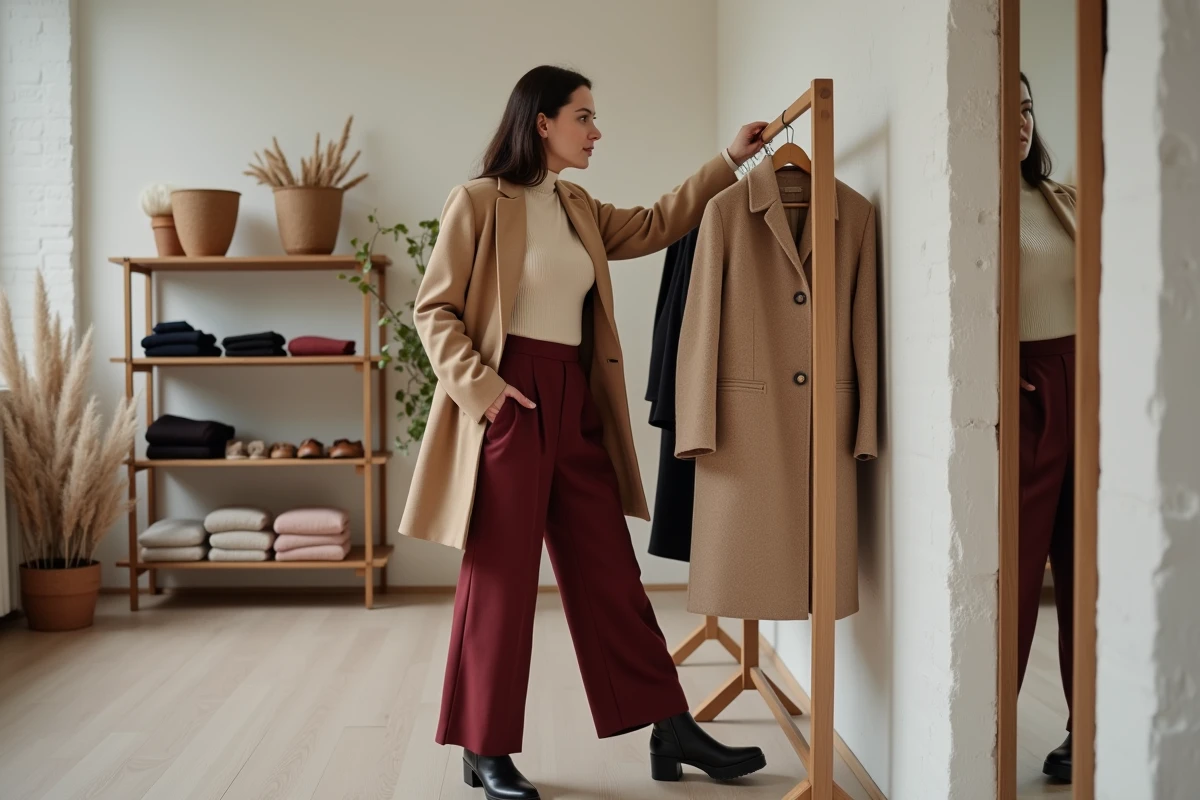
Each season redefines fashion codes, but this one reshuffles the deck more clearly than usual. Several underlying movements are sweeping through women’s fashion: color palettes shifting towards sobriety, technical textiles making their way into urban ready-to-wear, and a second-hand market changing the very way trends are followed. Measuring these evolutions allows for sustainable style choices rather than succumbing to impulsive buying.
Quiet luxury versus bright colors: two style directions this season
The quiet luxury movement, which originated in haute couture collections, has migrated to the mass market. Brands like COS, Massimo Dutti, and Zara now offer pieces in neutral colors, with clean cuts and no visible logos. Searches related to the term “quiet luxury outfits” have been steadily increasing since 2023, according to data from Google Trends and Pinterest Predicts 2024.
In contrast, floral prints and pastel shades continue to be embraced by part of the summer market. The table below contrasts these two directions based on concrete criteria.
| Criterion | Quiet luxury | Bright colors / pastels |
|---|---|---|
| Dominant colors | Beige, off-white, gray, black | Pale pink, butter yellow, almond green |
| Preferred materials | Linen, cashmere, fine wool | Printed cotton, viscose, lightweight polyester |
| Longevity in the wardrobe | Several seasons (timeless pieces) | High seasonal turnover |
| Price range (mass market) | Mid-high segment | Entry to mid segment |
| Occasion for wearing | Office, outings, travel | Holidays, weekends, events |
The choice between these two directions primarily depends on how frequently you refresh your wardrobe. Quiet luxury pieces offer better long-term value, while bright colors allow for a seasonal look without a heavy investment.
You can also explore jdmag.net for fashion to compare these style orientations on updated selections.
Technical textiles in women’s ready-to-wear: a discreet yet measurable shift
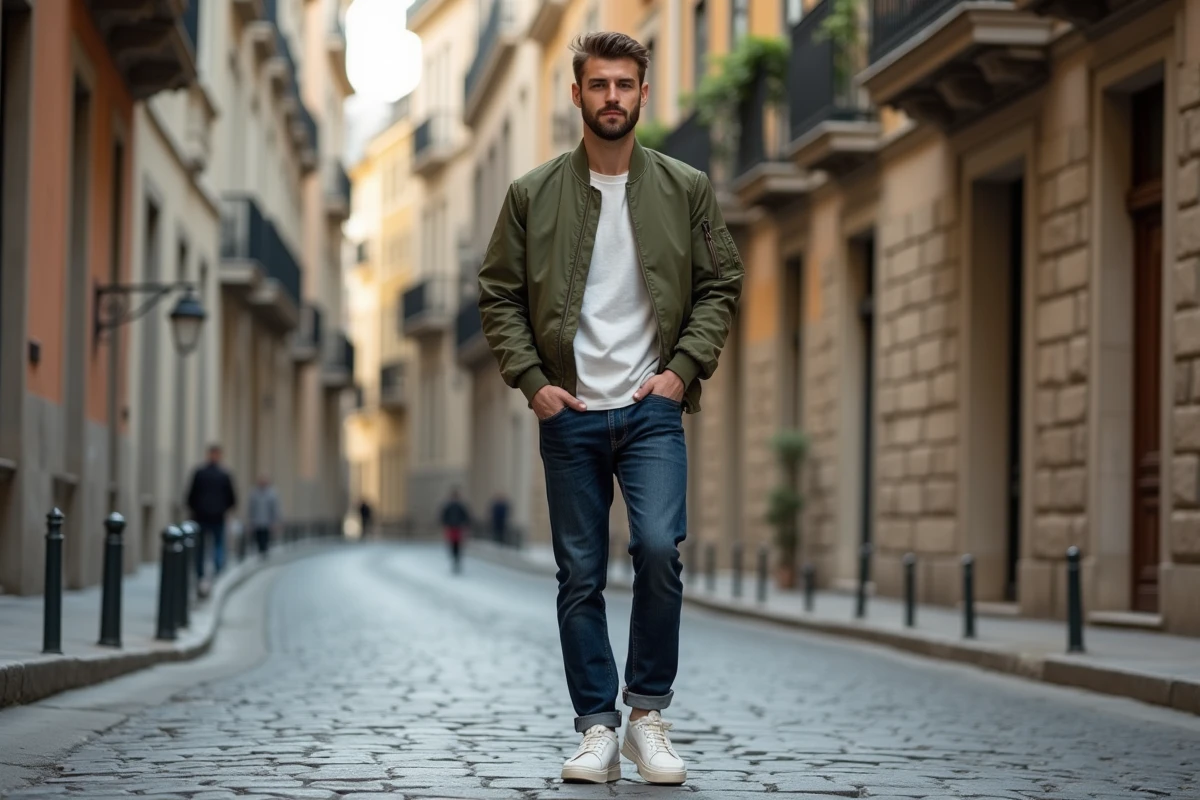
The boundary between outdoor clothing and urban fashion is blurring season after season. Uniqlo markets a UV Protection line certified UPF 50+. Brands like Decathlon and Oysho are incorporating thermoregulating fibers into city-cut pieces. The European Outdoor Group confirmed in its 2024 report the growing presence of technical textiles in everyday fashion.
This trend responds to a concrete need linked to more frequent heat waves. The question is no longer whether technical fabrics will enter the mainstream wardrobe, but what criteria distinguish a truly protective garment from a mere marketing claim.
Criteria to check before buying UV or thermoregulating clothing
- UPF 40+ or 50+ certification: a lower index only offers partial protection, insufficient for prolonged exposure to summer sun.
- Composition of breathable fibers (recycled polyamide, Tencel, technical blends) rather than basic polyester that retains heat.
- Presence of a durable moisture-wicking treatment, meaning it withstands several dozen washes without losing its properties.
- Cut suitable for urban contexts: a technical garment too close to sportswear loses its versatility in the office or at evening events.
However, a long-sleeve t-shirt or dress made from certified fabric rarely costs much more than its classic equivalent at the mentioned brands. The additional cost of technical textiles remains marginal in the mass market segment.
Clothing rental and resale: how the circular market is redefining fashion trends
The way seasonal trends are consumed is changing as much as the trends themselves. In France, resale and rental platforms are gaining ground each year. Le Slip Français has integrated a second-life circuit for its products, and rental services allow wearing designer pieces for a season without purchasing them.
Resale extends the lifespan of a trendy piece well beyond a single season. A quiet luxury coat resold after two winters retains a residual value significantly higher than that of an ultra-colorful piece worn a few times.
What the circular market changes for style choices
Buying with resale in mind alters selection criteria. Neutral colors, classic cuts, and durable materials become economic assets, not just aesthetic ones. A style guide that ignores this dimension misses a decisive factor for the annual fashion budget.
The reflex to adopt this season is to evaluate each piece on two axes: its immediate look potential and its estimated resale value. Pieces that check both boxes are those that enhance a style without straining the budget.
Cuts and silhouettes to watch for spring-summer
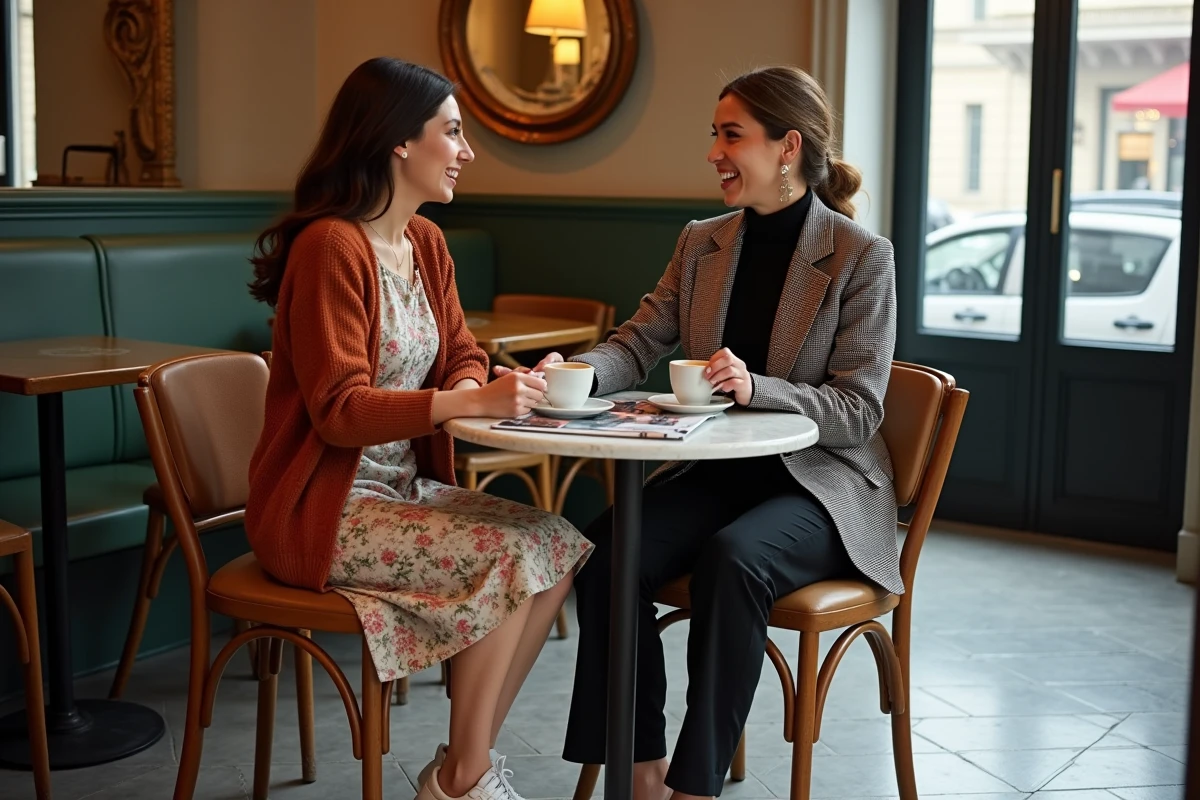
The barrel jean, a loose fit tapered at the ankle, is making a mark in the spring-summer 2026 collections of several brands. The oversized sweater remains a basic for transitional seasons. The short colorful jacket, worn over a flowing dress or high-waisted pants, creates a volume contrast that has been widely validated on the runways.
Three silhouettes stand out for their adaptability to daily life:
- Wide beige trousers paired with a fitted top in fine knit, for a balance between structure and fluidity.
- Long short-sleeve dress in technical fabric, wearable from the office to a terrace dinner without changing outfits.
- Coordinated ensemble in tone-on-tone, simplifying the morning choice while displaying strong visual coherence.
These silhouettes share a common point: they work well with both white sneakers and strappy sandals, significantly extending their rotation duration in the wardrobe.
The current season encourages more thoughtful purchases. Prioritizing versatile pieces in sustainable materials remains the most effective lever to follow fashion trends without accumulating disposable clothing. The resale criterion, once marginal a few years ago, is becoming a decision filter as relevant as cut or color.