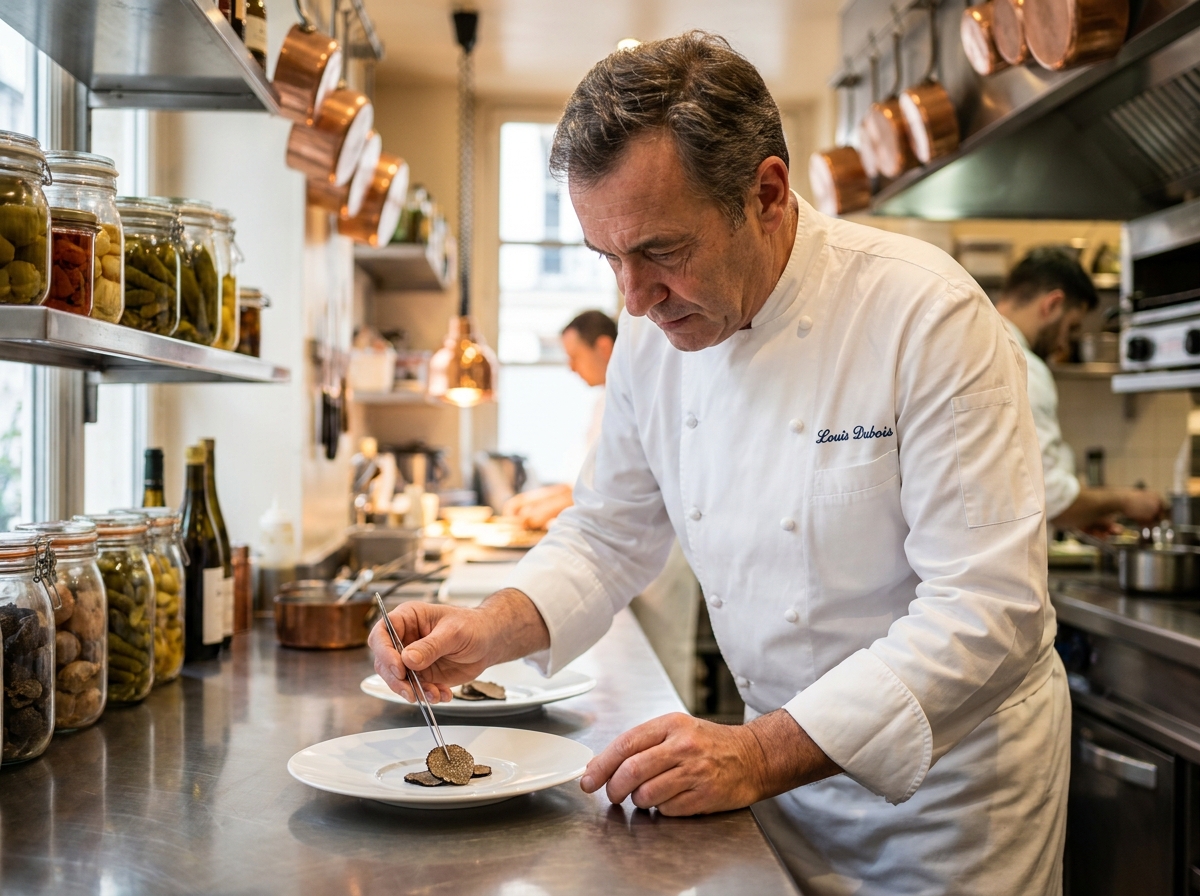
Forget hierarchy: in France, gastronomy is not just a matter of discerning palates, but an obstinate quest for nuance, rarity, and the right gesture. Behind every apron branded Ducasse by Bragard, a demand is imposed, as sharp as the blade of a Japanese knife. The new codes of oenogastronomy join the table, twisting the neck of routine, and establishing an unexpected dialogue between wine and dishes, far from conventional pairings.
The gastronomic scene no longer operates in a vacuum. The arrival of techniques from elsewhere, like the art of sushi, provokes an exciting reinterpretation of the jewels of French terroir. Chefs from the ends of the earth now eye our truffles, our foie gras, our caviar. This openness, far from diluting local identity, shapes a new balance, where heritage is reinvented every day in the light of contemporary creativity.
The Ducasse by Bragard Collection: where artisanal excellence meets culinary innovation
Stepping into the backstage of the Plaza Athénée is to discover Alain Ducasse’s unwavering attention to the smallest detail. At the helm of one of the country’s few three-star restaurants, he embodies the peaks of French gastronomy. But rigor does not stop in the kitchen: the Ducasse by Bragard collection translates this quest for excellence into the cut of jackets and the choice of fabrics. The result? A precise assembly of artisanal know-how and textile technologies designed to keep pace, ensure freedom of movement, and respect the integrity of the product, even in the heat of the busiest services.
The French cuisine, as experienced by these chefs, is not limited to rehashing inherited recipes. It moves, adapts, and constantly dialogues with modernity. This dynamic is reflected in the Ducasse by Bragard collection which, through its pieces, embodies this ongoing back-and-forth. Here’s how this is concretely expressed:
- An inspiration drawn from classicism for the cuts,
- Innovative materials capable of withstanding the frantic pace of service in the dining room or kitchen,
- A sober, elegant look that never seeks to overshadow the chef’s hand or the nobility of the ingredient.
For chefs, whether they work at a three-star table or during major events, these garments are not mere uniforms: they become the manifesto of a shared philosophy. They reflect respect for the product, the precision of the gesture, and the desire to pass on a living heritage.
In France, the recognition of a rare product never comes without a demand for traceability, seasonality, and commitment. For those who have learned their craft in the best schools, wearing a Ducasse by Bragard jacket is also a statement. It involves choosing a raw foie gras according to unyielding criteria, highlighting regional diversity, from Gironde caviar to Périgord truffles. This collection, true to the Ducasse spirit, accompanies the evolution of a gastronomy focused on precision, responsibility, but without ever sacrificing flair or aesthetic demands.
What exceptional products elevate French gastronomy today?
At the French table, the notion of exceptional products is plural. Foie gras remains a staple of grand celebrations as well as prestigious menus. But behind each slice lies the rigor of a breeding process, the selection of the vintage, and the mastery of a gesture passed down and refined from generation to generation.
The truffle, this gem that resonates in kitchens from Périgord to Drôme, asserts itself through its aromatic power. Its season dictates the calendar of restaurateurs, who compete in delicacy to reveal all its character, never masking it with technique. On the same note, sturgeon caviar imposes its grain and texture, evoking rarity, patience, and the demands behind every gram served at the table.
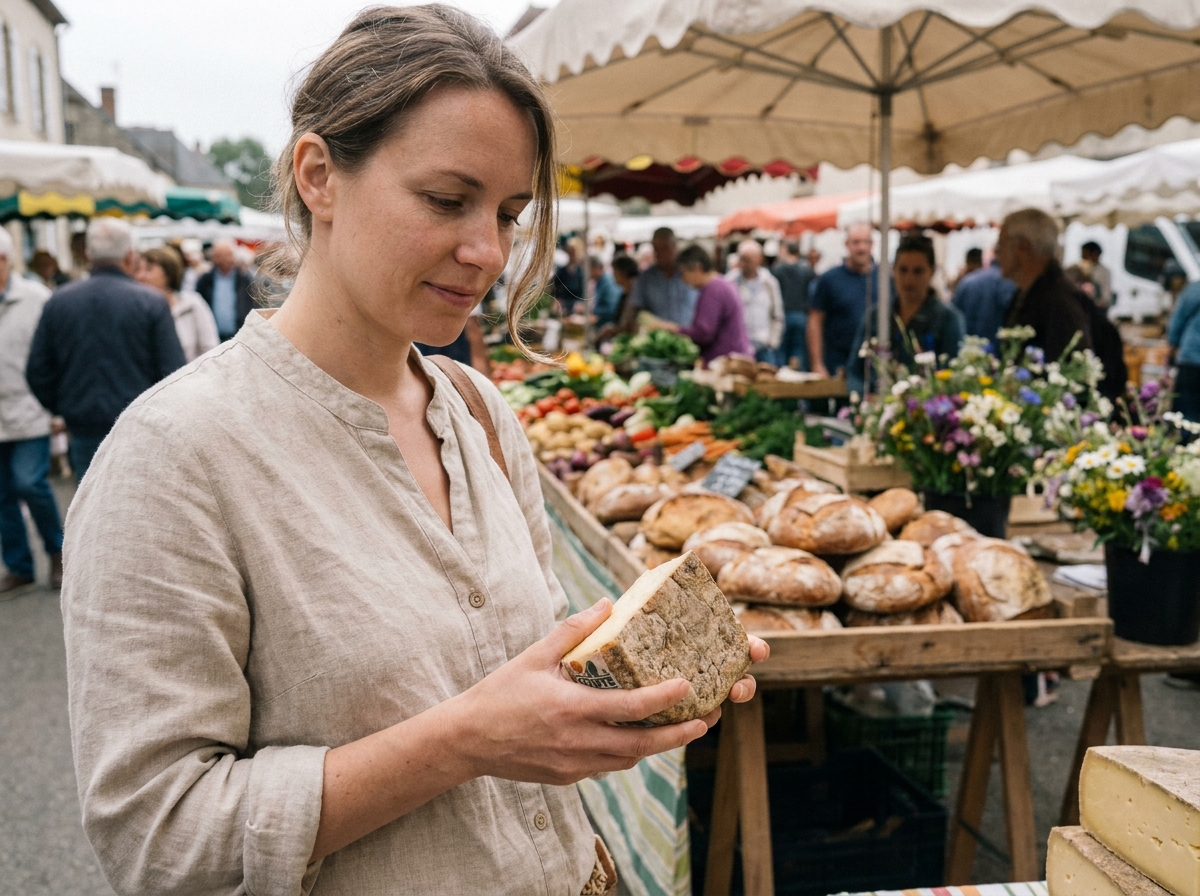
The diversity of French terroirs is also expressed through cheeses, of which the varieties abound: fresh goat cheeses, blue cheeses, aged tommes, all supported by controlled designations of origin that guarantee traceability and authenticity. Wine, whether red, white, or from the vineyards of Bordeaux, Burgundy, or Provence, completes the pairing. Each sip reveals a nuance, a texture, a story.
Season after season, these rare ingredients assert themselves as strong markers of French cuisine. On the table, they become evidence of regional anchoring, technical mastery, and the ability to dare. The plate then flourishes as a stage where tradition, transmission, and boldness intertwine.
Oenogastronomy and world cuisines: how new trends redefine the gastronomic experience
Never static, French gastronomy absorbs and transforms influences. Oenogastronomy, a true playground for pairings between food and wine, encourages exploration of new horizons. Chefs like Thierry Marx dare to blend Asian flavors with the elegance of the terroir, never renouncing the quest for the right product. The new cuisine, inherited from the 1980s, favors lightness, freshness, and precision of gesture.
A striking example: the bistronomy launched by Yves Camdeborde at La Régalade. Here, refinement does not exclude simplicity. The market dish coexists with the local specialty, and minute cooking pairs with a wine from Burgundy or Bordeaux. On Parisian counters, the offerings expand: sushi by Takuya Watanabe, meatballs at Balls, aged mozzarella at Mozzachic… Each address breathes new life into tradition.
To grasp the mechanics of this transformation, three pillars emerge:
- Terroir products: they form the solid foundation of French authenticity,
- Techniques from elsewhere: they stimulate innovation and shake up habits,
- Unprecedented pairings: they open the door to new experiences, where surprise enters the ritual.
The French table is now experienced as a space for dialogue between regions and continents. Local specialties coexist with influences from Asia, Italy, and Latin America. Each meal becomes an invitation to travel, a sensory experience where the aroma of a white wine embraces the flavor of an unexpected spice. Heritage is no longer just transmitted: it opens up, enriches, invents itself. To those who thought everything was already written, France reminds us that in gastronomy, history is just beginning.