
You are taking Stresam for anxiety and have noticed a change on the scale. Loss of appetite, a few kilos less, or on the contrary, unexpected weight gain. The temptation is strong to make a direct link with the medication. Stresam (etifoxine) is a prescription anxiolytic for the psychological and physical manifestations of anxiety. Its relationship with weight deserves precise clarification, far from the shortcuts found on forums.
Etifoxine and Body Weight: What the Official SmPC Says
The reliable starting point for evaluating a medication remains its Summary of Product Characteristics (SmPC). The latest update of the SmPC for Stresam by the ANSM, dated November 8, 2024, lists the known side effects: gastrointestinal disorders (nausea, abdominal pain, diarrhea), drowsiness at the beginning of treatment, rare but potentially serious skin reactions.
No weight change is mentioned in the SmPC, neither weight loss nor weight gain. The medication has simply not been associated, in pharmacovigilance data, with a direct effect on body mass.
To better understand the questions surrounding stresam weight loss and side effects, it is necessary to distinguish the pharmacological effect of the medication from the indirect consequences of anxiety itself on the body.

Stresam and Weight Loss: An Indirect Link Related to Anxiety
Anxiety profoundly alters eating behavior. Some people eat less when they are anxious: a knot in the stomach, nausea, loss of appetite. Others, on the contrary, turn to food as a comfort mechanism.
When an anxiolytic like Stresam reduces anxiety symptoms, it can restore normal appetite. If you were eating little due to stress, regaining appetite may lead to weight gain. If, on the other hand, you were snacking due to anxiety, the reduction in anxiety may decrease food cravings and result in losing a few kilos.
Stresam does not burn fat, does not suppress appetite, does not alter metabolism. The weight variations observed during treatment reflect a change in eating behavior, not a pharmacological mechanism.
Digestive Disorders as a Confounding Factor
The nausea and abdominal pain listed in the SmPC may temporarily reduce appetite at the beginning of treatment. This temporary decrease in food intake may lead to the belief that the medication has a weight-loss effect.
These digestive disorders are generally transient and concern the first few days of intake. They do not provide a basis for attributing a slimming effect to Stresam.
Stresam Dosage and Duration of Treatment: Key Points to Know
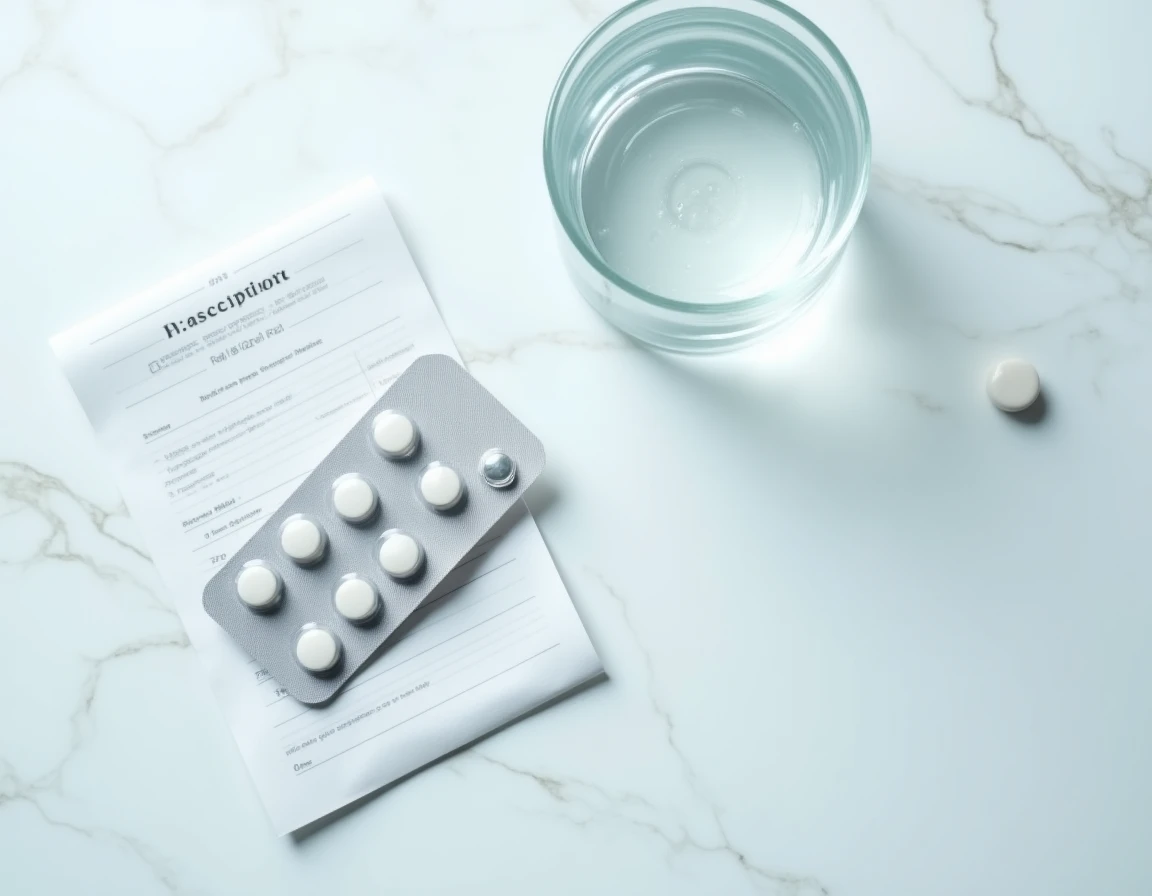
Stresam comes in the form of capsules dosed at 50 mg of etifoxine. The usual dosage corresponds to three capsules per day, divided into three doses. The doctor may adjust this dose according to clinical response.
A point often overlooked concerns the duration. You may have read that Stresam is taken “for as long as necessary.” The reality is more structured:
- The maximum recommended duration is 12 weeks. Beyond that, the therapeutic benefit is no longer demonstrated and the patient remains exposed to side effects without additional gain.
- The treatment is designed for reactive anxiety (related to an identifiable situation), not for chronic anxiety disorders requiring long-term management.
- Discontinuation generally does not require gradual withdrawal, unlike benzodiazepines, as Stresam does not create documented physical dependence.
Increasing the doses in the hope of an effect on weight would be unnecessary and dangerous. The prescribed dosage targets anxiety, not metabolism.
Stresam Side Effects: Real Warning Signals
Testimonials on forums often mention drowsiness and fatigue. These effects are real, especially at the beginning of treatment. Drowsiness can indeed reduce daily physical activity, which, paradoxically, could promote weight gain rather than loss.
Rare but serious side effects deserve particular attention:
- Severe skin reactions (rashes, Stevens-Johnson syndrome): any rash while on Stresam warrants immediate discontinuation and urgent consultation.
- Liver damage: jaundice or persistent abdominal pain should be reported to the doctor without delay.
- Feeling faint or near loss of consciousness, reported by some patients from the first doses.
These serious side effects are the real reason to monitor treatment with Stresam, much more than a hypothetical weight variation.
A Contested Benefit/Risk Ratio
The HAS issued an unfavorable opinion in June 2020 regarding the continuation of reimbursement for Stresam. The medical benefit was deemed insufficient due to the lack of demonstrated efficacy versus placebo in the AMETIS study and the risk of rare but potentially serious side effects.
The Prescrire review classifies etifoxine among the medications to be excluded from psychiatric care, due to an unfavorable benefit/risk ratio. Stresam is no longer reimbursed by health insurance.
These elements do not mean that the medication is ineffective for all patients. They remind us that its efficacy is poorly demonstrated at the level of clinical trials and that other therapeutic options (psychotherapy, short-term benzodiazepines if necessary) have more solid evidence.
If you notice weight variations while taking Stresam, the most useful approach remains to discuss it with your doctor to assess whether these changes are related to anxiety, eating behavior, or another cause. Stresam has no place in a weight loss strategy, and no health institution recommends it for this purpose.